Butterfly Milkweed Swamp White Perennial Monarch Host Plant Fall Plant 25 Seeds
$ 5.67
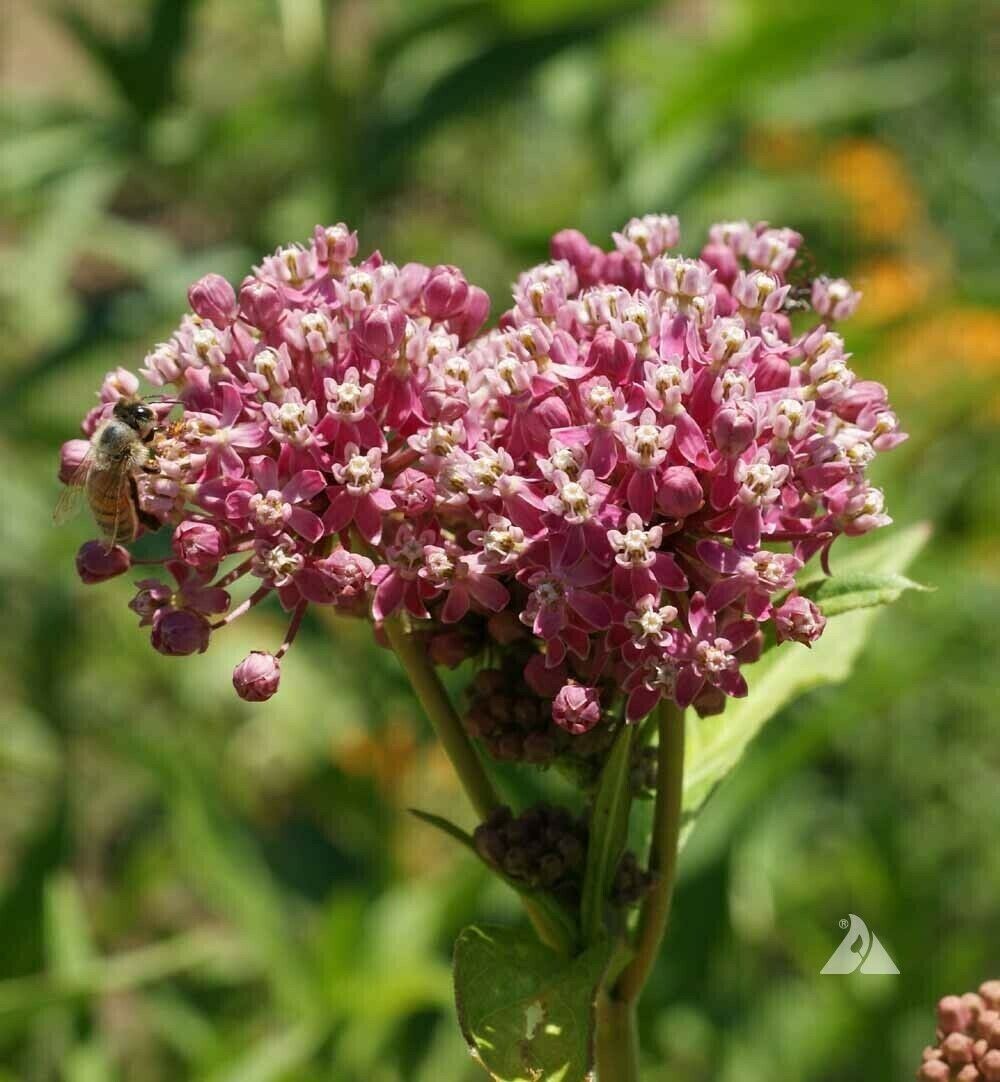
+geen verzendkosten EnquiryDescription Butterfly Milkweed SWAMP WHITE Perennial Host Plant Monarch Heirloom 25 SeedsNo Fillers – Pure Seed – Non-GMO – Safe Seed PledgePRODUCT DESCRIPTION SWAMP MILKWEED – WHITEAsclepias incarnataLong blooming perennial pollinator attractorHeirloom variety with long lasting, white summer bloomsThrives in bright, sunny growing areasMonarch populations have been in decline for a number of years, and the loss of nectar sources and milkweeds has been indicated as a major contributor to these declines. This mixture is composed of native wildflowers, garden flowers and milkweeds which supply nectar sources for adult monarchs. Milkweeds are utilized for egg-laying and provide food to monarch caterpillars. Crisp, white blooms atop lush foliage are a sight to behold all on their own, but once they begin to attract bright and beautiful butterflies to your yard, we’re sure that White Swamp Milkweedwill become an instant favorite! A long blooming perennial, it takes some time to establish Asclepias from seed, but the effort is well worth the reward!FAST FACTSName: Butterfly Milkweed SeedsBotanical Name: Asclepias tuberosaLife Cycle: PerennialLight Requirement: Full SunPlanting Season: Spring, FallPlant Type: North American Native, Tuberous-Rooted Herbaceous Perennial, Clusters of Bright Flowers Atop Upright Hairy Stems, Lanceolate Leaf ShapeFeatures: Heirloom, Attracts Pollinators, Attracts Hummingbirds, Container Garden, Cut Flower Garden, Good for Dried Flowers, Deer Resistant, Rabbit Resistant, Fragrant, Poor Soil Tolerant, Drought TolerantColor: OrangeBlooms: Summer, Late Summer, Early Fall, FallDays to Maturity: 90-120 DaysPlant Height: 28 inchesPlant Spacing: 15-18 inchesPlanting Depth: 1/8 inchSowing Method: Start Indoors, Direct SowCold Stratification: YesHardiness Zones: 3, 4, 5, 6, 7, 8, 9Ships: Year Round GROWING & Cold Stratifying MILKWEEDUnderstanding Milkweed (Asclepias) Seed & Germinating (There are many videos on YouTube teaching this)Germination: To start Milkweed seed we recommend starting inside, but before this happens Milkweed seeds need to go through a cold stratification period. Cold stratification is very important for the germination and growth of Milkweed. It helps break the seeds natural dormancy cycle. To do this, we recommend placing Milkweed seed in a damp paper towel or damp sand in a zip lock bag and place in your fridge for 3 – 6 weeks (30 days). Place in an area of the fridge, where it won’t get damaged. We taped ours to the bottom of a refrigerator shelf.Growing IndoorsPlanting In Spring: Once the 30 days are complete, it’s time to plant the cold stratified Milkweed (asclepias) seeds. We recommend planting in 2-4” peat pots. Fill peat pots ¾ of the way with seed starting potting soil and gently add water. Water should be able to drain through the peat pots. Once the soil is damp, place 1-2 cold stratified seeds into each pot. To finish, place 1/4 inch of soil on top of the seed.Planting In Fall: If you’re planting Milkweed seed in the fall, let nature do the cold stratification for you! There is no need to place your seeds in the refrigerator before planting, you can plant seeds directly into the soil after there have been a few frosts in your area. This allows for the seeds to remain dormant for the winter and come up in the early spring. Clear away any existing growth and using your index finger to measure, create 1.5″ holes for each Milkweed seed. We recommend spacing seeds about 4-6” apart. Place a seed in each hole and cover. Water thoroughly.Watering: Gently water the planted seed to give additional hydration. The best way to water is from the bottom up. Use a flat pan under the peat pots and add a half inch of water to the bottom of the tray. Don’t over water as it can cause fungus. Water every day or every other day as needed, the best way to test the soil dampness is to touch it. If the soil seems dry then add water; if it’s wet, wait for the soil to dry out to water.Light Requirements: For the next few weeks, make sure the Milkweed is either in a sunny window, in a green house or under a grow light. Milkweed needs lots of sun and warmth to grow. If you’re using a grow light, make sure to lower the bulb closer to the pots or your seedlings may become leggy, as they stretch to the light. In our experiment, this happened to us. Ideally a sturdier stem is better. Cold stratified seeds should germinate and sprout within 10-15 days once planted. In total Milkweed from the day they are cold stratified to growth can take 40 plus days, so be patient!Other planting options: Place dry seed (not stratified) in seed starting soil and plant in peat pots under a grow light or in a greenhouse to germinate seeds. The success rate for this is low and more difficult to accomplish. If you choose to use this option it can take months for the seeds to germ