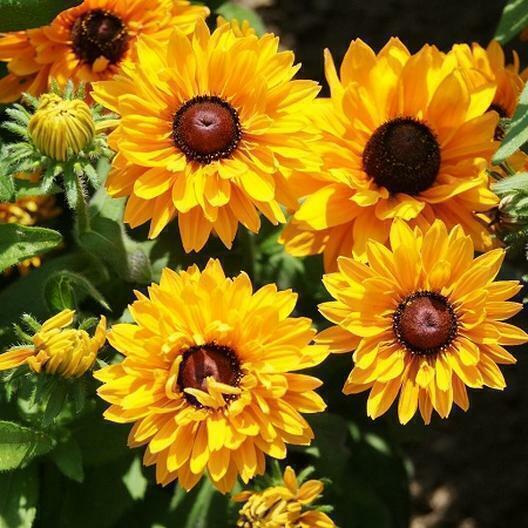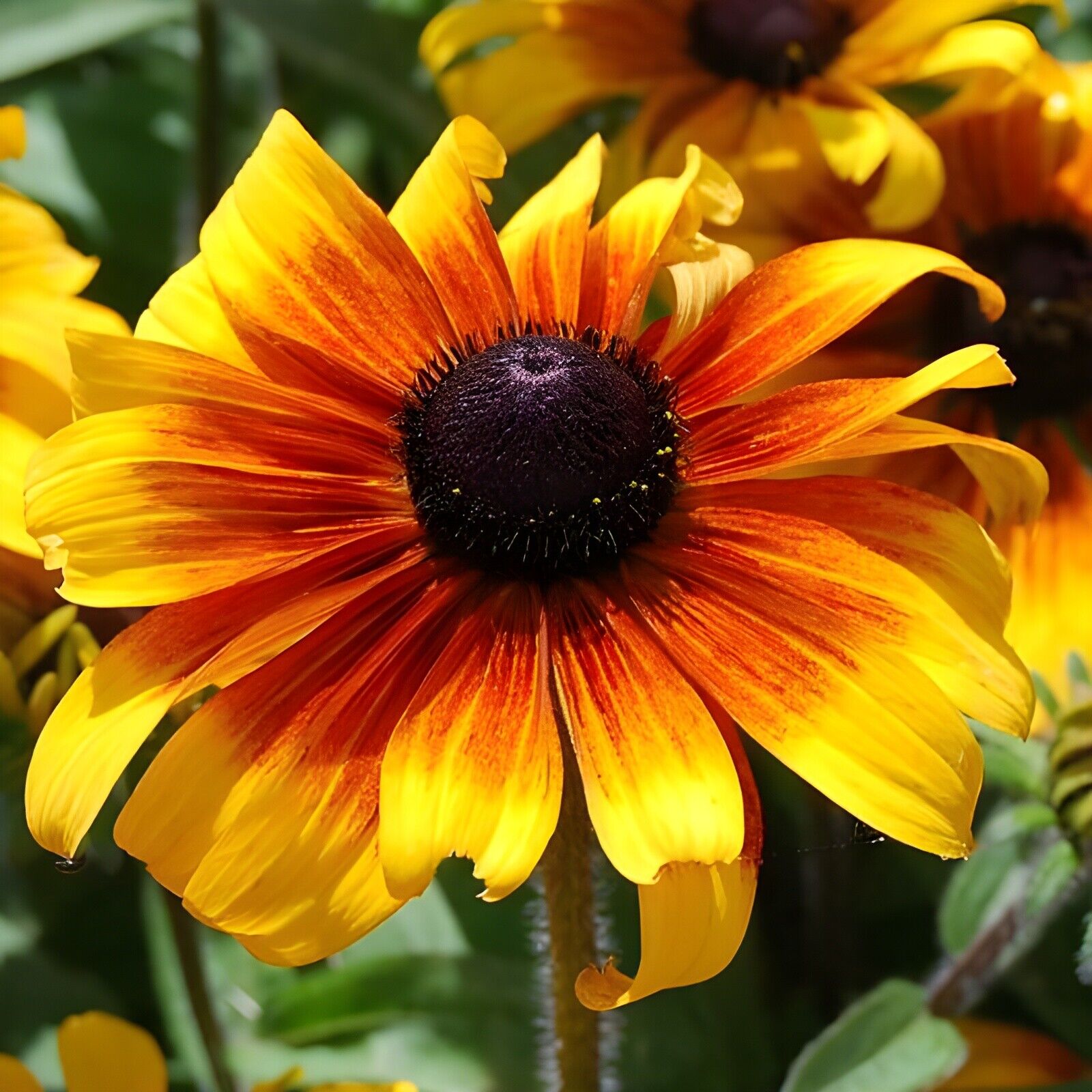
Description BLACK EYED SUSAN VINE Mixed Colors Tender Perennial Pollinators Love Non-GMO 25 Seeds!100% Pure Seed – Non-GMO PRODUCT INFORMATION BLACK EYED SUSAN VINE Mixed ColorsThunbergia alata Black-Eyed Susan Vine is a tender perennial that is a spreading vine with decorative, triangular leaves and masses of yellow or orange flowers with a dark eye. It is native to tropical Africa. It is ideal for growing on a trellis in the garden or in hanging baskets and other containers. It can be grown in sunny to partly shaded conditions. This stunning, blooming vine offers lots of options! Truly a tender Perennial, it is grown as an Annual in most climates. In frost-free zones, vines can reach an impressive 20’ or more and will bloom year after year.In colder regions, this fast-growing climber is a fun addition to trellises, hanging planters and pots with vines routinely reaching 6-8’ in a season. FAST FACTS Name: Black Eyed Susan Seeds – Vine Mixed Colors Botanical Name: Thunbergia alataLife Cycle: Annual, PerennialLight Requirement: Full SunPlanting Season: Spring, FallPlant Type: Climbing Vine Habit up to 20 feet or more, Orange with Dark Purple Center, Tender Perennial, Winter Hardy in Zones 10 and 11 Features: Heirloom, Attracts Pollinators, Cut Flower Garden, Deer Resistant, Drought Tolerant, Poor Soil Tolerant, Fast Growing, Extended Bloom Time, Easy to Grow & Maintain, Container Garden, Attracts butterflies and hummingbirdsColor: Orange, Mixed Color Blooms: Spring, Late Spring, Early Summer, Summer, Late Summer, Early Fall, FallDays to Maturity: 60-90 DaysPlant Height: 78-96 inches Plant Spacing: 6-8 inchesPlanting Depth: 1/4 inch Sowing Method: Direct Sow Cold Stratification: NoHardiness Zones: 4, 5, 6, 7, 8, 9 Ships: Year Round PLANTING INSTRUCTONS: BLACK EYED SUSAN VINE Sowing Rate: 3 seeds per plantAverage Germ Time: 14 – 21 daysKeep moist until germination Depth: 1/4 inchBlack-eyed Susan vine plant is a tender perennial that is grown as an annual in temperate and cooler zones. You can also grow the vine as a houseplant but be wary as it may grow to 8 feet (2 m.) in length. Black-eyed Susan vine care is most successful when you can mimic the plant’s native African climate. Try growing a black-eyed Susan vine indoors or out for a bright cheery flowering vine. Black-Eyed Susan Vine Plant Thunbergia alata, or black-eyed Susan vine, is a common houseplant. This is probably because it is easy to propagate from stem cuttings and, therefore, easy for owners to pass along a piece of the plant. A native of Africa, the vine needs warm temperatures but also requires shelter from the hottest rays of the sun. Stems and leaves are green and flowers are usually a deep yellow, white or orange with black centers. Black-eyed Susan is a fast growing vine that needs a vertical stand or trellis to support the plant. The vines twine around themselves and anchor the plant to vertical structures. Growing a Black Eyed Susan Vine You can grow a black-eyed Susan vine from seed. Start seeds indoors six to eight weeks before the last frost, or outdoors when soils warm to 60 F. (16 C.).Seeds will emerge in 10 to 14 days from planting if temperatures are 70 to 75 F. (21-24 C.).It may take up to 20 days for emergence in cooler zones. Overwinter the plant by cutting several inches from a terminal end of a healthy plant. Remove the bottom leaves and place in a glass of water to root. Change the water every couple of days. Once you have thick roots, plant the start in potting soil in a pot with good drainage. Grow the plant until spring and then transplant outdoors when temperatures warm up and there is no possibility of frost. Place plants in full sun with afternoon shade or partial shade locations when growing a black-eyed Susan vine. The vine is only hardy in USDA plant hardiness zones 10 and 11. In other zones, bring in the plant to overwinter indoors. How to Care for Black-Eyed Susan Vines This plant has some special needs, so you’ll need a few tips on how to care for black-eyed Susan vines. First, the plant requires well-drained soil, but it will wilt if it gets too dry. The moisture level, especially for plants in pots, is a fine line. Keep it moderately moist but never soggy. Black-eyed Susan vine care outdoors is easy as long as you water moderately and give the plant a trellis and deadhead. You can prune it lightly in the higher zones where it grows as a perennial to keep the plant on the trellis or line. Young plants will benefit from plant ties to help them establish their growing structure. Growing a black-eyed Susan vine indoors requires a bit more maintenance. Fertilize potted plants once annually in spring with a water-soluble plant food. Provide a stake to grow up or plant in a hanging basket and let the vines droop down gracefully.