Black Eyed Susan Rudbeckia Marmalade Dwarf Perennial Heirloom Non-gmo 100 Seeds
$ 5.38
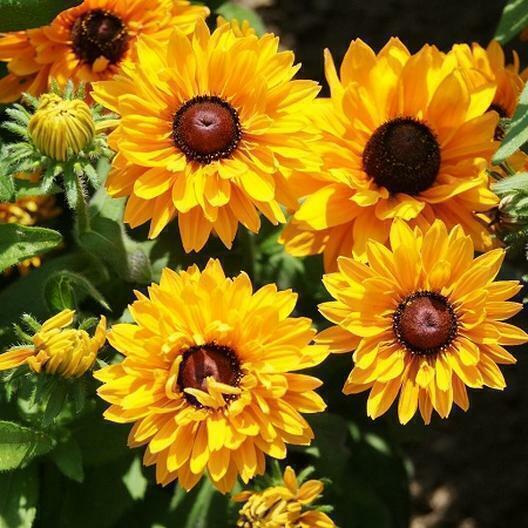
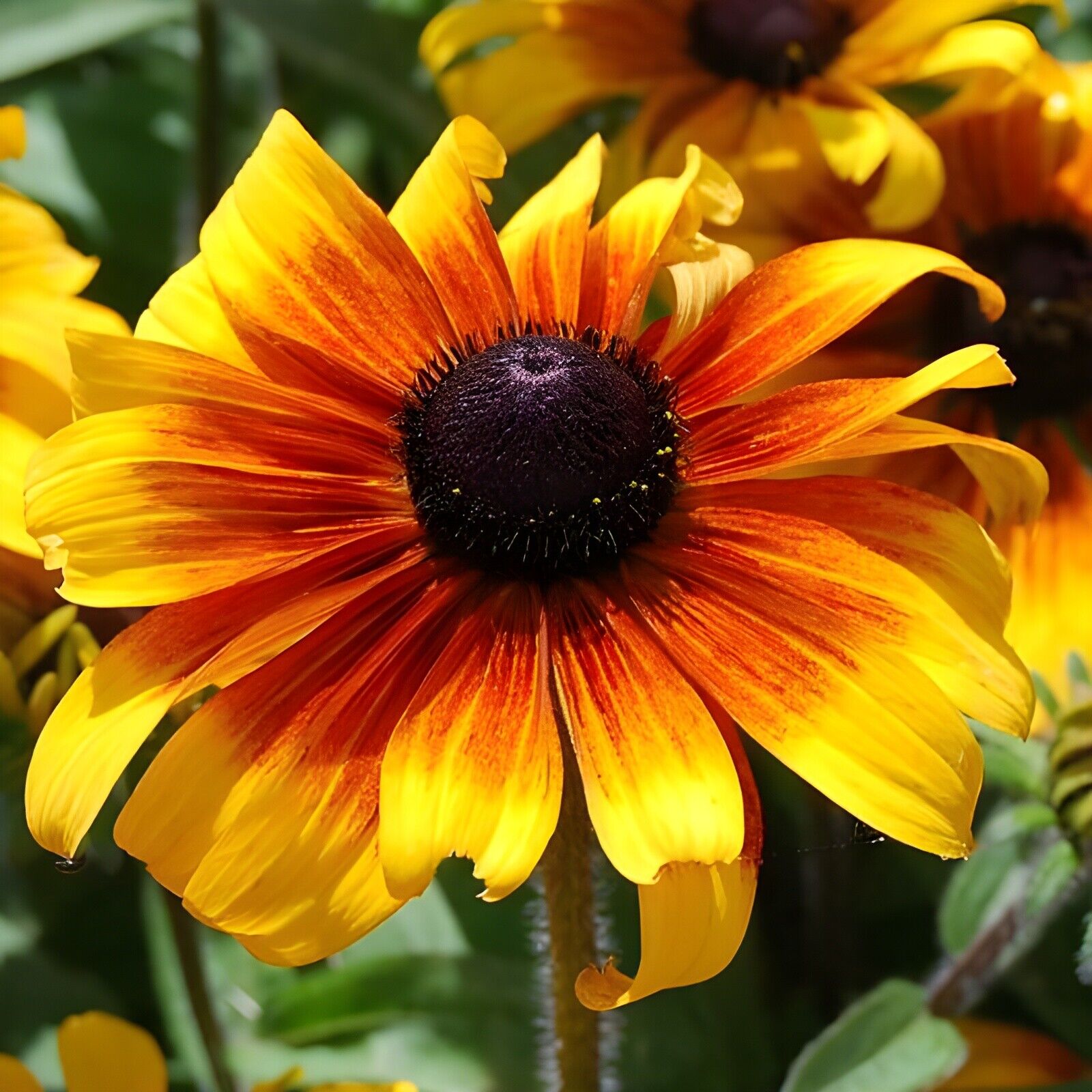
+geen verzendkosten EnquiryDescription Black Eyed Susan Rudbeckia MARMALADE Annual Dwarf Heirloom Non-GMO 100 Seeds!PRODUCT DESCRIPTIONPure Seed Non-GMO Fresh Guaranteed to Grow -Non-GMO Pure Seed! Do not try to germinate seeds outside or transplant outside if it is over 75-80 degrees! Rudbeckia hirtaRudbeckia ‘Marmalade’Container, Cut FlowerRudbeckia ‘Marmalade’ is a dwarf Rudbeckia variety with large, golden-orange flowers that bloom from summer to early fall. Plants grow to two feet tall, and flowers are up to five inches across. It is a versatile plant that can be used in flower beds, borders, cutting gardens and large containers.Native North American pollinator attractor with orange and yellow multi-colored Summer bloomsThrives in bright, sunny growing areas While tolerant to partial shade, Marmalade enjoys a full sun location and is deer resistant! FAST FACTS Name: Rudbeckia – MarmaladeBotanical Name: Rudbeckia hirtaLife Cycle: AnnualLight Requirement: Full SunPlanting Season: Spring OR FallPlant Type: Naturalizing North American Native, Golden Yellow-Orange Blooms, Daisy-like Flowers with Green Center, Herbaceous HabitFeatures: Heirloom, Attracts Pollinators, Cut Flower Garden, Deer Resistant, Drought Tolerant, Poor Soil Tolerant, Fast Growing, Extended Bloom Time, Easy to Grow & Maintain, Container GardenColor: Yellow, OrangeBlooms: Spring, Late Spring, Early Summer, Summer, Late Summer, Early Fall, FallDays to Maturity: 60-90 DaysPlant Height: 15 to 24 inchesPlant Spacing: 6-8 inchesPlanting Depth: 1/4 inchSowing Method: Direct SowCold Stratification: NoHardiness Zones: 3, 4, 5, 6, 7, 8, 9Ships: Year Round HOW TO GROW MARMALADE BLACK EYED SUSAN SEEDSABOUT BLACK EYED SUSANSA stalwart of any wildflower meadow, Black Eyed Susan is perhaps the most emblematic of the classic North American wildflowers. It is extremely resilient and boasts beautiful, yellow, daisy-like flowers with a dark chocolate color center. Native to the eastern United States, it has been largely naturalized throughout the rest of the country.WHEN TO PLANT BLACK EYED SUSAN SEEDSBlack Eyed Susans do best when the soil temperature is at 70°F – which is between March and May for most of the U.S.WHERE TO PLANT BLACK EYED SUSAN SEEDSBlack Eyed Susans thrive in full-sun conditions. They also do well in a wide-range of from clay to loam. If you have sandy soil prone to drying out, amend the soil with organic matter.HOW TO PLANT BLACK EYED SUSAN SEEDSThe first step when planting Black Eyed Susans is to Cold Stratify your seeds. This can be achieved by planting several weeks before your final frost, or simulating these conditions in your refrigerator several weeks before planting. Broadcast sow directly onto the surface of the soil and compress them down, leaving the seeds uncovered.HOW TO CARE FOR BLACK EYED SUSANSBe sure to remove faded and dying flowers to extend the blooming period. If Black Eyed Susans are deadheaded, a second bloom may appear in the fall.