Borage Blue Edible Flowers Honey Bees Tall Heirloom Annual Non-gmo 50 Seeds
$ 4.90
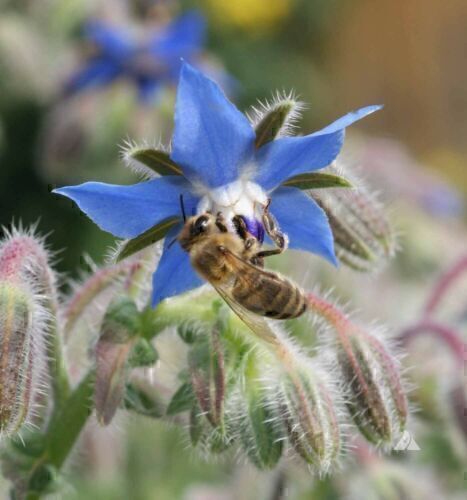
+geen verzendkosten EnquiryDescription BORAGE Blue Edible Flowers Honey Bees Heirloom Non-GMO 50 SeedsPure Seed – Non-GMO – Fresh – No FillerPRODUCT INFORMATION Edible, Honey Bee, Old FashionedTall heirloom annualA tasty culinary herb, popular in European cuisinesProduces attractive, edible flowersBorage is an annual that is native to Europe and the Middle East.Plants are large and sprawling, and the leaves are covered with bristly hairs.The blue, star-shaped flowers hang downward and are edible.Fresh flowers can be used as a garnish or tossed into salads.Candied flowers are beautiful decorations for cakes and other desserts.Young borage leaves can be cooked like spinach and taste like cucumber.Borage is also known as bee’s bread because honey bees love the nectar.A Bit More About BorageBorage, Borago officinalis, is an annual herb in the forget-me-not, or Boraginaceae family that has naturalized across most of the United States.Native to the Mediterranean region, it has made a name for itself far and wide as a tasty herb with edible flowers that pollinators love.The flowers and leaves are used in a variety of herbal remedies, and the oil extracted from the seeds is high in gamma linolenic acid, which may help to reduce inflammation and alleviate symptoms of asthma.Borage grows just about anywhere, and that’s only a slight exaggeration. It thrives in full sun to part shade locations, in containers, or spreading out in a meadow.It’s suitable for gardeners in USDA Hardiness Zones 2-11 and isn’t too demanding when it comes to moisture or soil – which is why it pops up in sandy and clay soil alike. So long as it doesn’t have wet feet, borage will be happy to do its thing.The plant features beautiful, bright blue flowers that have a distinct star shape.The stems are covered in fuzz and have a deep red color when they’re young.Plants grow to a mature height of about two feet. FAST FACTS Name: Borage SeedsBotanical Name: Borage officinalisLife Cycle: AnnualLight Requirement: Full SunPlanting Season: SpringPlant Type: Edible flowerFeatures: Heirloom, Easy to Grow & Maintain, Attracts Pollinators, Culinary, Medicinal, OutdoorDays to Maturity: 50-80 DaysPlant Spacing: 12 inchesPlanting Depth: 1/2 inchSowing Method: Direct Sow, Start IndoorsCold Stratification: NoHardiness Zones: 3, 4, 5, 6, 7, 8, 9, 10Ships: Year Round HOW TO GROW BORAGE SEEDSHow to Grow BorageWHEN TO PLANT BORAGE SEEDS(1) Germinates at temperatures between 60-75°F.(2) Larger seeds need to be covered with soil at least as thick as the seed itself. May be slow and erratic to germinate.(3) These seeds need a period of cold stratification for successful germination. Best results are obtained when the seeds are kept warm and moist for 2 weeks followed by temperatures of 33-35°F for 4-6 weeks or until germination starts. Direct sow borage seeds outdoors after the danger of frost has passed and the soil has warmed.WHERE TO PLANT BORAGE SEEDSBorage seeds prefer fine, well-worked and moist soil in full sun conditions. However, it can tolerate partial shade. Borage prefers a soil pH of 6.0 to 7.0.HOW TO PLANT BORAGE SEEDSAdd aged compost to the planting bed and turn it under to 12 inches before planting. Sow seed about 1/8th of an inch into the soil. The seed must be covered for germination to take place. Space your rows about 24 inches apart. Germination will occur after 7-14 days. Thin seedlings about 24 inches apart once they are 6-8 inches tall. Borage requires even, regular water until established. Once established, the soil can dry out between waterings. Fertilize with compost tea and pinch back plants when they reach 6 inches tall to encourage bushiness and blooming. Tall plants may require staking or support.HOW TO HARVEST BORAGEBorage is considered to be a liberal self-sower, dropping its own herb seeds, so you can enjoy more plants in the following year! To harvest, snip fresh, young leaves in spring and summer as needed. Harvest young leaves before they develop bristly hairs. Flowers can be snipped individually or in clusters as soon as they open.