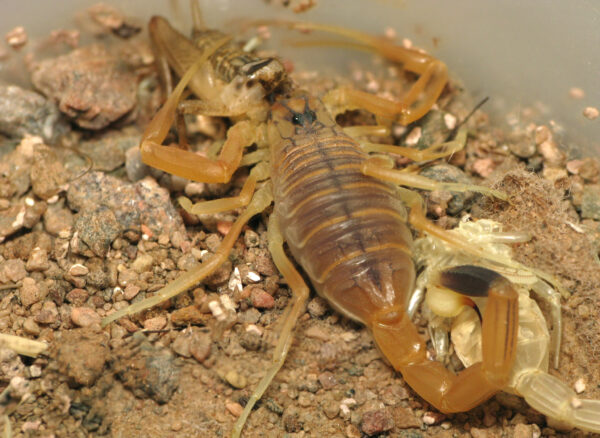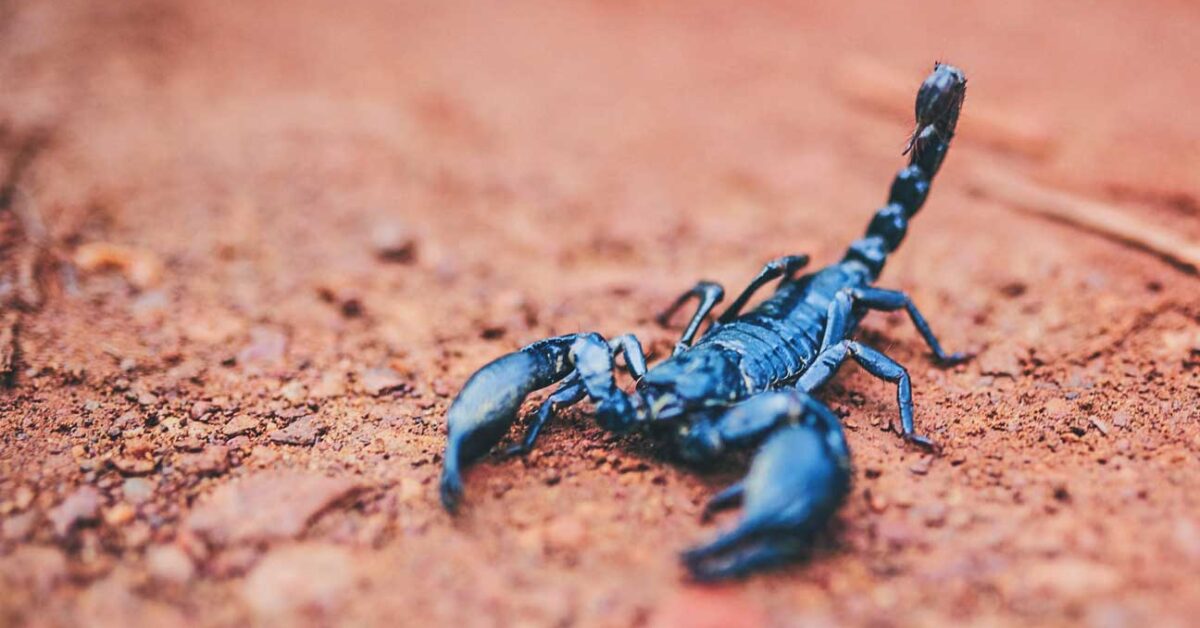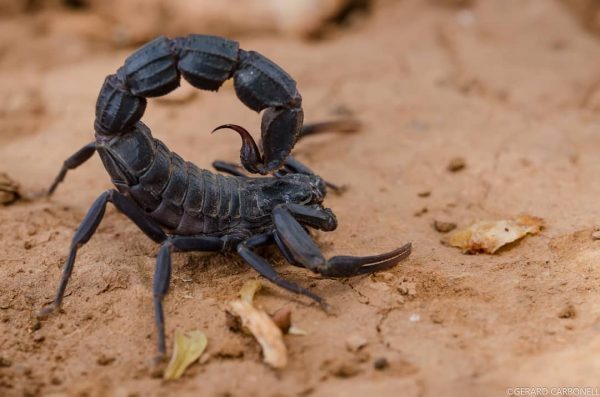
Androctonus Crassicauda For Sale Androctonus crassicauda, commonly known as the Arabian fat-tailed scorpion or black scorpion, is one of the most medically important scorpions in the Middle East, North Africa, and parts of South Asia. Androctonus Crassicauda scorpion venom effects It belongs to the Buthidae family and is recognized by its thick, dark tail and robust build. Its venom is classified as highly neurotoxic and is a leading cause of scorpion-related mortality in its range. Androctonus Crassicauda Scorpion Venom Treatment Treatment and Management Immediate management includes pain control, cardiovascular stabilization, and respiratory support. Specific scorpion antivenom is effective if administered early. Prazosin is widely used to manage the adrenergic effects and reduce the risk of pulmonary edema. Mortality rates have declined significantly with prompt access to antivenom and intensive care. Androctonus Crassicauda Scorpion Venom Effects Stings typically cause severe local pain, often disproportionate to visible swelling. Systemic envenomation develops quickly and is characterized by an “autonomic storm”: hypertension, tachycardia, sweating, salivation, and hyperthermia, followed by hypotension and bradycardia in later stages. Pulmonary edema, cardiac arrhythmias, and respiratory failure are the main causes of death, particularly in children under 15. Neurological signs like restlessness, convulsions, and altered consciousness may also occur. Androctonus Crassicauda Size The venom is a complex cocktail of low-molecular-weight peptides and proteins that primarily target ion channels in nerve and muscle cells. The main toxins are: 1. Alpha and beta sodium channel toxins: These bind to voltage-gated Na⁺ channels and prevent normal inactivation, causing prolonged depolarization of neurons. This leads to uncontrolled neurotransmitter release and autonomic overactivity. 2. Potassium channel blockers: These interfere with K⁺ efflux, prolonging action potentials and exacerbating neuronal excitability. 3. Phospholipases and hyaluronidases: Present in smaller amounts, these enzymes contribute to local inflammation and enhance the spread of toxins through tissue. Unlike many viper venoms, A. crassicauda venom causes minimal local tissue necrosis but produces rapid systemic effects due to its neurotoxic focus.