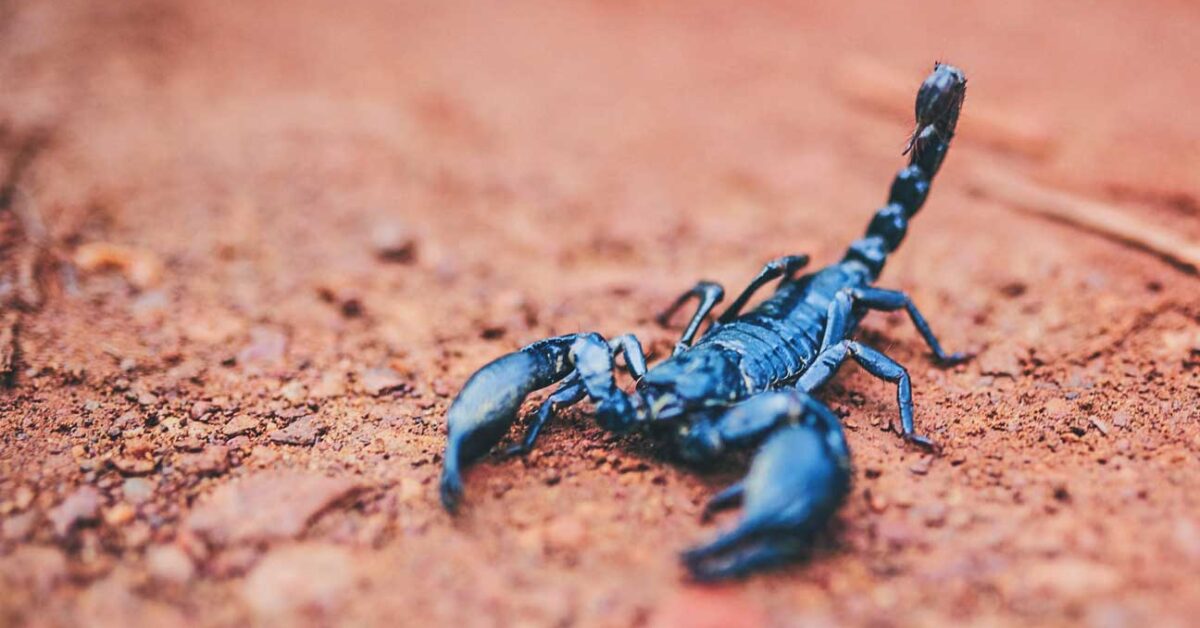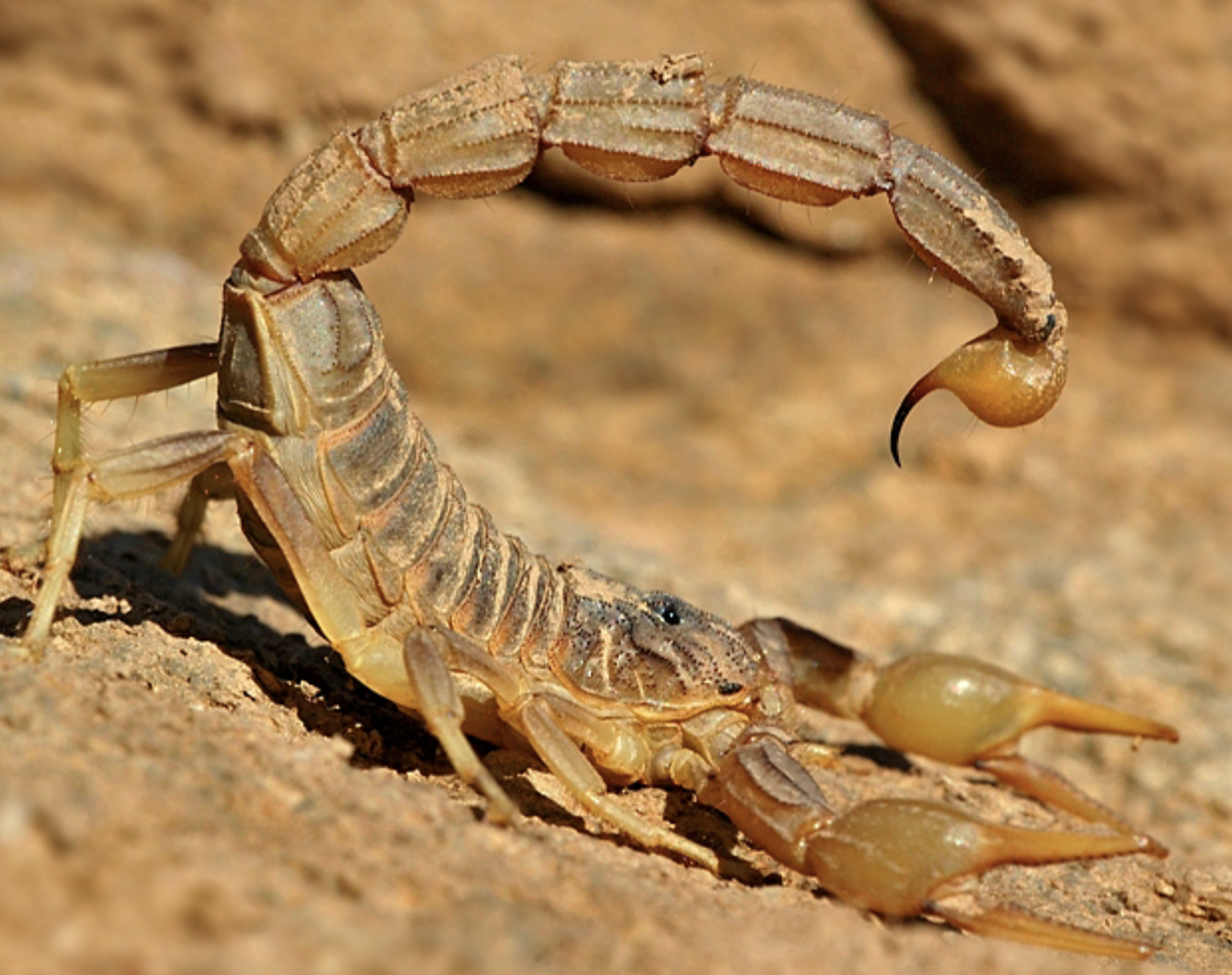
Moroccan Black Thick-tailed Scorpion Venom Moroccan Black Thick-tailed scorpion, is a medium-sized scorpion found in North Africa, including Morocco, Algeria, and Tunisia. It’s dark brown to black with a noticeably thick tail and claws. Like other Androctonus species, it’s known for being aggressive and having medically significant venom. Androctonus bicolor is often confused with the Deathstalker, Leiurus quinquestriatus, which lives in similar regions. Composition of the Black Fat Tailed Venom Androctonus bicolor venom is a complex mix of neurotoxic peptides, enzymes, and proteins. The main toxins are α-scorpion toxins that target voltage-gated sodium channels in nerves. By slowing how these channels close, the toxins cause nerves to fire repeatedly. This leads to intense pain, muscle spasms, and autonomic effects. The venom also contains potassium channel blockers and enzymes that help the toxins spread quickly through tissue. Effects Of Moroccan Black Venom on Humans A sting is considered dangerous, especially for children, elderly, or people with heart problems. Symptoms start with severe, burning pain at the sting site that can spread. Systemic effects include sweating, high blood pressure, rapid heart rate, restlessness, and muscle twitching. In severe cases, it can cause pulmonary edema or heart complications. Fatalities are rare with medical care, but antivenom is used in North African hospitals for serious envenomations. Medical Research & Potential Uses Scientists study Androctonus toxins to understand ion channels and nerve signaling. Some peptides are being explored for pain research and as molecular tools in neuroscience. Like other scorpion venoms, there’s interest in developing targeted drugs from its components, but most research focuses on A. australis and Leiurus rather than A. bicolor specifically. Conclusion Moroccan Black Thick-tailed scorpion venom is potent and potentially life-threatening, unlike milder species such as the Emperor scorpion. Its neurotoxins are both a medical risk and a research resource, showing how dangerous venoms can help us study the human nervous system.